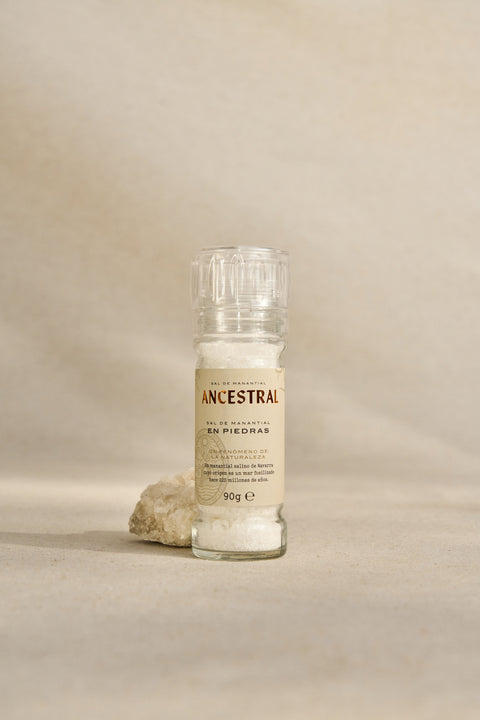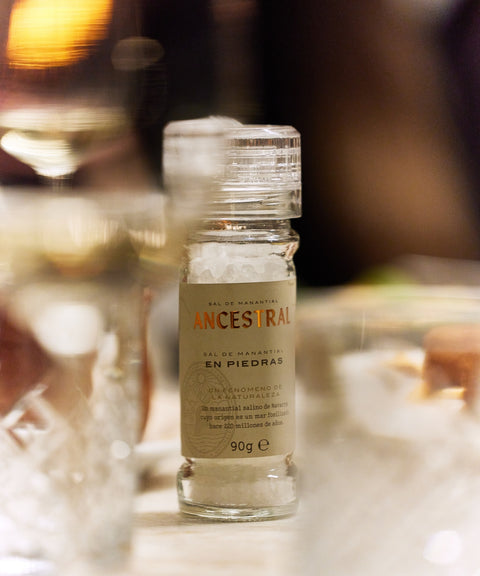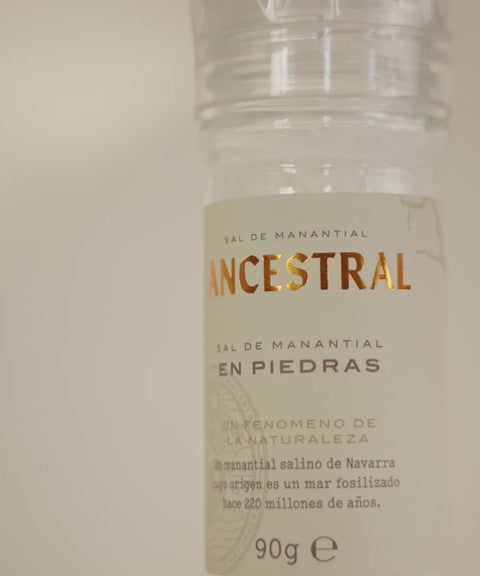

The healthiest salt for consumption and cooking is unrefined underground spring mineral salt. Unlike processed common table salt and modern sea salt, spring salt retains over 80 essential bioavailable minerals and is free of microplastics, heavy metals, and chemical bleaching additives.
To understand why this type of salt stands out from the others, it is helpful to analyze the different types available on the market.
The different types of salt and their extraction methods
The origin and processing of salt define its nutritional qualities and its degree of biological purity.
Common fine table salt undergoes industrial refining using high temperatures and chemical processes. This treatment isolates sodium chloride and removes the natural trace elements from the mineral. Additionally, artificial anti-caking agents such as sodium ferrocyanide (E-535) are added to facilitate its commercialization.
On the other hand, sea salt is obtained by evaporating seawater in coastal saltworks. Although often sold as a natural option, it carries the serious problem of marine contamination. Microplastic particles and heavy metals suspended in today's oceans end up being integrated into the sea salt crystals used daily.
Underground spring salt is extracted from ancient fossil salt deposits protected underground and of ancestral origin. By filtering naturally and drying artisanally in the sun and wind, it preserves its original composition and is completely protected from modern contamination.
The role of sodium in health: Is it really the enemy?
Sodium is an essential nutrient for life that performs vital physiological functions and should not be eliminated from the diet.
This mineral regulates the sodium-potassium pump, responsible for transporting nutrients across cell membranes. Likewise, sodium is essential for maintaining adequate blood volume, transmitting nerve impulses, and ensuring proper muscle contraction and relaxation.
The medical paradox that sodium raises blood pressure is mainly associated with the consumption of refined salt. Isolated and unbalanced sodium chloride forces the body to retain water outside the cells. However, when sodium is consumed along with its accompanying minerals, its assimilation is much more harmonious.
Underground spring salt: the health standard for your kitchen
Fossil salt of terrestrial and artisanal origin offers the best guarantees for caring for the body without sacrificing flavor.
Natural bioavailable mineralization
Spring salt is a living salt that contains dozens of trace elements that our body needs in small doses. Magnesium, potassium, and calcium stand out in their form of bioavailable minerals.
These minerals act synergistically with sodium, regulating the osmotic pressure of cells. By providing potassium and magnesium in an integrated way, spring salt promotes proper cellular hydration. This helps water enter the cells, preventing inflammation and the classic fluid retention associated with industrial salt.
Guaranteed geological purity
Originating from underground aquifers formed millions of years ago, this salt has never been exposed to plastic or modern chemicals. It is a product naturally free of microplastics and heavy metals.
As it does not go through the industrial refining process, it lacks chemical bleaching additives and synthetic stabilizers. Cooking with spring salt means seasoning your dishes with a pure ingredient just as nature produces it.

Which salt to use for cooking according to culinary technique
To make the most of the benefits and texture of natural salt, it is useful to apply the appropriate format in each preparation.
-
Fine spring salt: It is ideal for seasoning stews, broths, and doughs during cooking. By dissolving uniformly, it distributes its minerals homogeneously throughout the recipe.
-
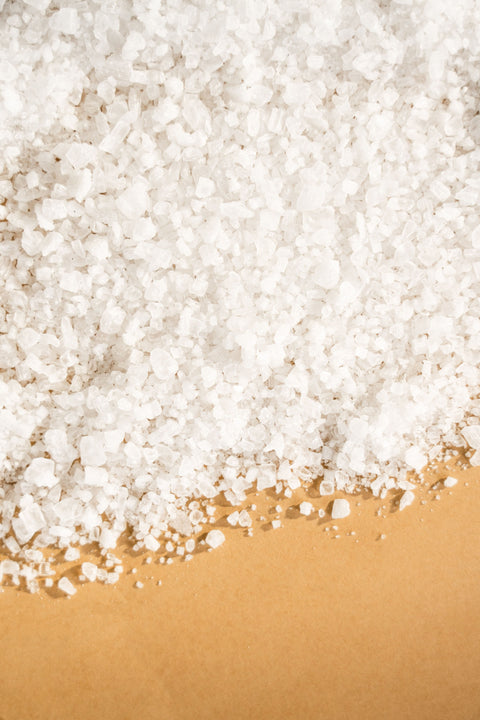
Coarse spring salt: It is the best option for grilling or pan-frying meats and fish. Its crystals dissolve slowly with heat, creating a crispy layer that retains the internal juices of the food.
-
Spring flake salt: Reserved for the final touch on dishes just before serving. Its crunchy flakes enhance the flavor of carved meats, salads, and roasted vegetables, providing a gourmet texture on the palate.
The next time you prepare your daily meals, try replacing common table salt with Ancestral Salt. Not only will you enhance the flavor of your recipes with a clean and artisanal condiment, but you will also ensure real cellular hydration for your family, free of microplastics and chemical additives.
Frequently asked questions about the healthiest salt
Is Himalayan salt healthier than spring salt?
Pink Himalayan salt is an unrefined mineral rock salt very similar in composition. However, its long-distance transportation generates a large carbon footprint, while local spring salt offers the same mineral richness with less ecological impact.
Can you cook without salt to be healthier?
Unless strictly indicated by a doctor, completely eliminating salt is not healthy, as the body needs sodium for neuromuscular and cellular function. It is advisable to reduce processed salt and consume pure, unrefined salt.
How do I know if my salt has microplastics?
Salts from current oceans (common sea salt) have a high probability of containing microplastics due to the state of ocean pollution. Salts of fossil or underground spring origin are free of this problem.